EARLY DETECTION MATTERS
Oral Cancer Screening
Oral cancer screenings are quick, gentle checks of your tongue, cheeks, lips, and throat that help us catch small changes before they become serious.
We'll walk you through how to tell if it's an emergency and what to do today.
Screenings are quick and gentle
An oral cancer screening usually adds only a few minutes to your visit and does not require injections or special preparation.
Early detection makes a difference
Like other cancers, oral cancer is more treatable when found early, which is why regular checks are important.
Why this happens
Learn how regular oral cancer screenings help catch early changes on your tongue, cheeks and throat before they become serious.
Which sounds most like you?
I've noticed a spot or sore that isn't going away
You've seen a patch, lump, or sore in your mouth that has been there for a couple of weeks and you're not sure if it's serious.
I feel fine but want a routine screening
You haven't noticed anything specific, but you like to stay on top of your health and want your regular check-up to include an oral cancer screening.
I smoke, drink regularly, or have HPV
You know you have one or more risk factors and want to make sure your mouth is being checked regularly.
I've had cancer before or have a strong family history
You'd like us to be especially thorough and clear about what we see and how often you should be screened.
How to keep an eye on things between visits
A simple 30-second self-check at home
- 1
After brushing, use a clean finger or your tongue to feel along your cheeks, gums, and the roof and floor of your mouth.
- 2
Look in the mirror at your tongue (top and sides), inside cheeks, and lips for any new patches, color changes, or sores.
- 3
Make a note if you feel a lump, rough patch, or see a spot that looks different from the rest of your mouth.
- 4
Check again after about two weeks. If the area has not improved, or feels worse, schedule an exam so we can take a closer look.
Risk Factors
Tobacco use
Smoking and smokeless tobacco have long been linked to a higher risk of oral cancer.
Heavy alcohol use
Drinking heavily or frequently can increase risk, especially when combined with tobacco.
Certain HPV infections
Some strains of the HPV virus are associated with cancers in the mouth and throat. Your physician can advise you about testing and vaccines.
High sun exposure to lips
Spending a lot of time in the sun without lip protection can increase risk for lip cancers.
Personal or family history
A history of cancer or multiple risk factors may make regular screenings even more important.
How we understand it
During your exam, we look under good lighting at your tongue, cheeks, lips, gums, and the roof and floor of your mouth. We also gently feel for any unusual lumps. If needed, we may recommend further testing or refer you to a specialist for a biopsy.
What to do right now
If you've had a sore, patch, or lump in your mouth for around 2 weeks that hasn't improved, book an exam
So we can assess it.
If possible, note how long you've noticed the area and whether it has changed
In size, color, or sensation.
Bring a list of your medications and any history
Of tobacco use, alcohol use, HPV, or prior cancers to your visit.
During your appointment, we'll examine the area carefully
And let you know whether it simply needs monitoring or whether we recommend further testing or a specialist referral.
What relief looks like
Most patients simply leave with reassurance. If we see anything unusual, we explain what we're seeing and guide you calmly through the next steps, which may include additional tests or a specialist referral.
When to call sooner: If you have swelling, fever, or trouble sleeping from pain, let us know when you call — we'll prioritize you.
Pro Tip
If you notice a sore spot, patch, or lump that hasn't changed in around 2 weeks, mention it so we can look closely during your visit.
Ready for relief?
Same-day appointments often available.
Same-day appointments often available. We handle emergencies gently.
LEARN MORE
Related blog articles
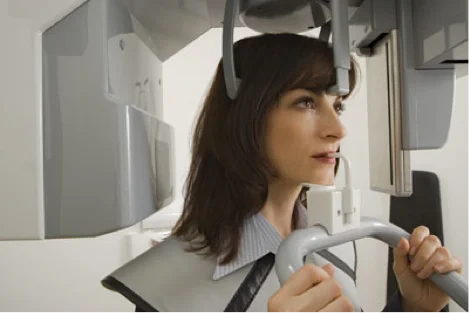
Visit Us for an Oral Cancer Screening in Fremont
We can perform an oral cancer screening in Fremont and this screening might just save a life. As a local dentist office, we find that most people do not talk about oral cancer.
Read articleUnderstanding Dental Insurance: A Complete Guide for Bay Area Families
If you've ever stared at your dental insurance Explanation of Benefits (EOB) and thought, "I have no idea what any of this means," you're not alone. Dental insurance confuses everyone—including highly educated professionals, successful business owners, and people who manage complex budgets for a living.
Read article
Tips From an Oral Surgeon for What to Eat After Dental Implant Surgery
As an oral surgeon, we perform dental implants oral surgery on a regular basis. This procedure allows us to give our patients a permanent replacement solution for a missing tooth and root.
Read articleCommon questions about Oral Cancer Screening
Is oral cancer screening serious?
Oral cancer screenings are quick, gentle checks of your tongue, cheeks, lips, and throat that help us catch small changes before they become serious.
How do I know if I need treatment?
During your exam, we look under good lighting at your tongue, cheeks, lips, gums, and the roof and floor of your mouth. We also gently feel for any unusual lumps. If needed, we may recommend further testing or refer you to a specialist for a biopsy.
Can this go away on its own?
Most patients simply leave with reassurance. If we see anything unusual, we explain what we're seeing and guide you calmly through the next steps, which may include additional tests or a specialist referral.