Emergency Dentistry in Fremont
Relief when you need it most — same-day appointments and on-site imaging for fast diagnosis.
Is this the right fit for you?
This service helps if you're dealing with…
- •You have severe tooth pain, swelling, or signs of infection
- •You've chipped, cracked, or knocked out a tooth
- •You've lost a filling or crown and the tooth is now sensitive or sharp
QUICK TRIAGE
Is this a dental emergency?
Answer a few quick questions to understand the urgency and next steps
TOOTH PAIN
Severe toothache that won't settle down
Is your toothache strong enough to keep you from sleeping, working, or eating normally?
Symptoms may include:
- •Throbbing or sharp pain in one tooth
- •Pain that gets worse when you bite or lie down
- •Over-the-counter pain relief only helps a little or not at all
This counts as a dental emergency. Call us so we can get you in quickly, relieve the pain, and find out what's causing it.
If the pain is mild and comes and goes, it may still be a sign of a cavity or early infection. Schedule a regular visit soon so it doesn't become an emergency.
SWELLING / INFECTION
Swelling in your face or gums
Do you have visible swelling in your face, jaw, or gums near a tooth?
Symptoms may include:
- •Puffy or tender area on the gums
- •Swelling in the cheek or jaw
- •Bad taste in the mouth or possible pus
- •Tooth feels raised or hard to bite on
Swelling can be a sign of infection and should be checked as soon as possible. Call us right away so we can relieve pain and prevent it from spreading.
If you're not sure whether it's swelling or normal tissue, you can still call and describe what you're feeling. We'll help you decide the best next step.
TRAUMA
Adult tooth knocked out
Has a permanent (adult) tooth been completely knocked out of the mouth?
Symptoms may include:
- •Tooth came out in one piece, including the root
- •Bleeding from the empty socket
- •Happened within the last 60 minutes
Handle the tooth gently by the crown (top, not the root), keep it moist in milk or saline, and call us immediately. Time is critical – the sooner we see you, the better the chances of saving the tooth.
If the tooth is just chipped or partially broken but still in place, it's still important to be seen soon, but usually not as time-critical as a fully knocked-out tooth.
BROKEN TOOTH
Chipped, cracked, or broken tooth
Did your tooth chip or crack, and does it feel sharp, painful, or sensitive?
Symptoms may include:
- •Piece of tooth missing after biting something or an injury
- •Sensitivity to cold, air, or chewing
- •Sharp edge irritating the tongue or cheek
We recommend being seen promptly so we can smooth sharp edges, protect the tooth, and plan a proper repair before it worsens.
If the chip is very small and not sensitive, a short delay may be okay. Still, schedule a visit so we can make sure there's no deeper fracture.
LOST RESTORATION
Lost filling or crown
Has a filling or crown come off, leaving the tooth exposed or sensitive?
Symptoms may include:
- •Visible hole where a filling used to be
- •Crown or cap came loose or fell out
- •Tooth feels rough, tender, or sensitive to temperature
A lost filling or crown can quickly lead to more damage or pain. If the tooth is bothering you, we'll treat it as an emergency; if it's not painful yet, we'll still bring you in promptly to protect it.
If you're not sure what came off or when it happened, send us a message or call. A quick description or photo can help us triage.
LOOSE TOOTH
Adult tooth feels loose
Does a permanent (adult) tooth feel wobbly or like it's moving more than usual?
Symptoms may include:
- •Tooth moves when you press it with your finger or tongue
- •Recent trauma, accident, or sports injury
- •Gum tenderness or bleeding around the tooth
A loose adult tooth should always be taken seriously. Call us so we can stabilise it and find out whether trauma, infection, or gum disease is causing the movement.
If the tooth only feels slightly different when you're anxious or checking repeatedly, mention it at your next visit or call if anything changes.
CUTS & BLEEDING
Lip, cheek, or tongue injury
Do you have a cut in your mouth that keeps bleeding or looks deep?
Symptoms may include:
- •Cut from a fall, sports injury, or biting accident
- •Bleeding that doesn't stop after 10–15 minutes of firm pressure
- •Swelling or difficulty closing the mouth comfortably
Apply gentle, firm pressure with a clean cloth or gauze and call us. If bleeding is heavy or you're worried about the depth of the injury, we'll help you decide whether to come here or go to the ER.
If the bleeding stops quickly and the cut is small, you may just need to keep the area clean and stick to soft foods for a day or two.
RED FLAG
Trouble breathing, swallowing, or severe spreading swelling
Are you having trouble breathing or swallowing, or is swelling spreading quickly toward your eye, neck, or under your tongue?
Symptoms may include:
- •Difficulty breathing or swallowing
- •High fever with facial or neck swelling
- •Swelling under the tongue or in the floor of the mouth
- •Feeling very unwell or weak
This can be a sign of a serious, spreading infection. Do not wait for a dental appointment. Go to the nearest emergency room or call emergency services immediately.
If you have swelling without these red-flag symptoms, call us first. We can usually see you quickly and treat the dental source of the infection.
Go to the nearest ER
Why emergencies happen
- •Small cavities, cracked fillings, and gum issues can stay quiet for months before suddenly flaring up.
- •Sports injuries, night grinding, and chewing on hard foods are common causes of broken or chipped teeth.
- •Skipping routine visits often means problems are only discovered once they're already painful.
What you can do right now
- •Cold compresses and over-the-counter pain relief can help until you're seen — but they don't fix the source.
- •Keeping a knocked-out tooth moist (in milk or saline) improves the chance of saving it.
- •Calling early in the day makes it easier for us to find a same-day time that suits you.
The cost of waiting
- •Toothaches and infections rarely resolve on their own and often worsen quickly.
- •Delaying care can turn a small filling or simple root canal into an extraction and tooth replacement.
- •Addressing emergencies early usually means fewer visits, lower overall cost, and less time off work.
HOW WE HANDLE URGENT VISITS
How we bring calm to urgent care
Dental emergencies shouldn't feel chaotic. We focus on fast relief, gentle diagnosis, and same-day solutions whenever possible — all delivered in a calm, spa-like setting. Our team slows down enough to explain what's happening, what your options are, and how today's emergency fits into your long-term oral health. You're never rushed, judged, or pressured — just supported, informed, and taken care of.
Your Step-by-Step Plan
Triage & first phone call
When you call, we ask focused questions about pain, swelling, injury, and medical history. This helps us decide how quickly you need to be seen and whether any red-flag signs call for emergency medical care instead.
Same-day exam & pain relief
At your visit, we target comfort first — with numbing, medication when appropriate, and calm reassurance. Then we take any needed X-rays or photos and walk you through what we see on-screen.
Stabilise, then plan long-term
Depending on what we find, we may complete definitive treatment that day or provide a temporary fix to stabilise things. Either way, you'll leave with clear next steps and a realistic plan that fits your schedule and budget.
TECHNOLOGY & COMFORT
Tools that make urgent visits faster and calmer
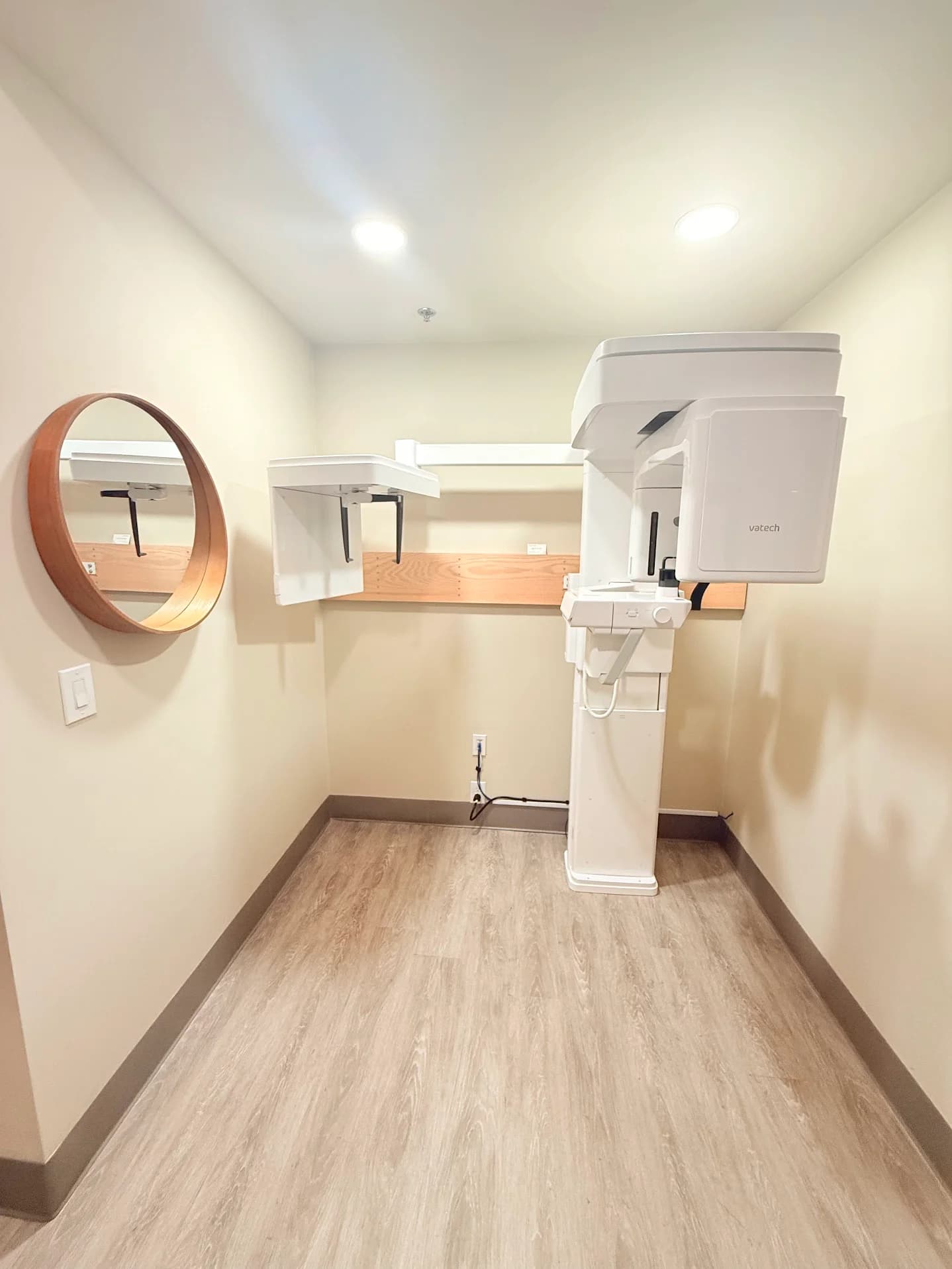
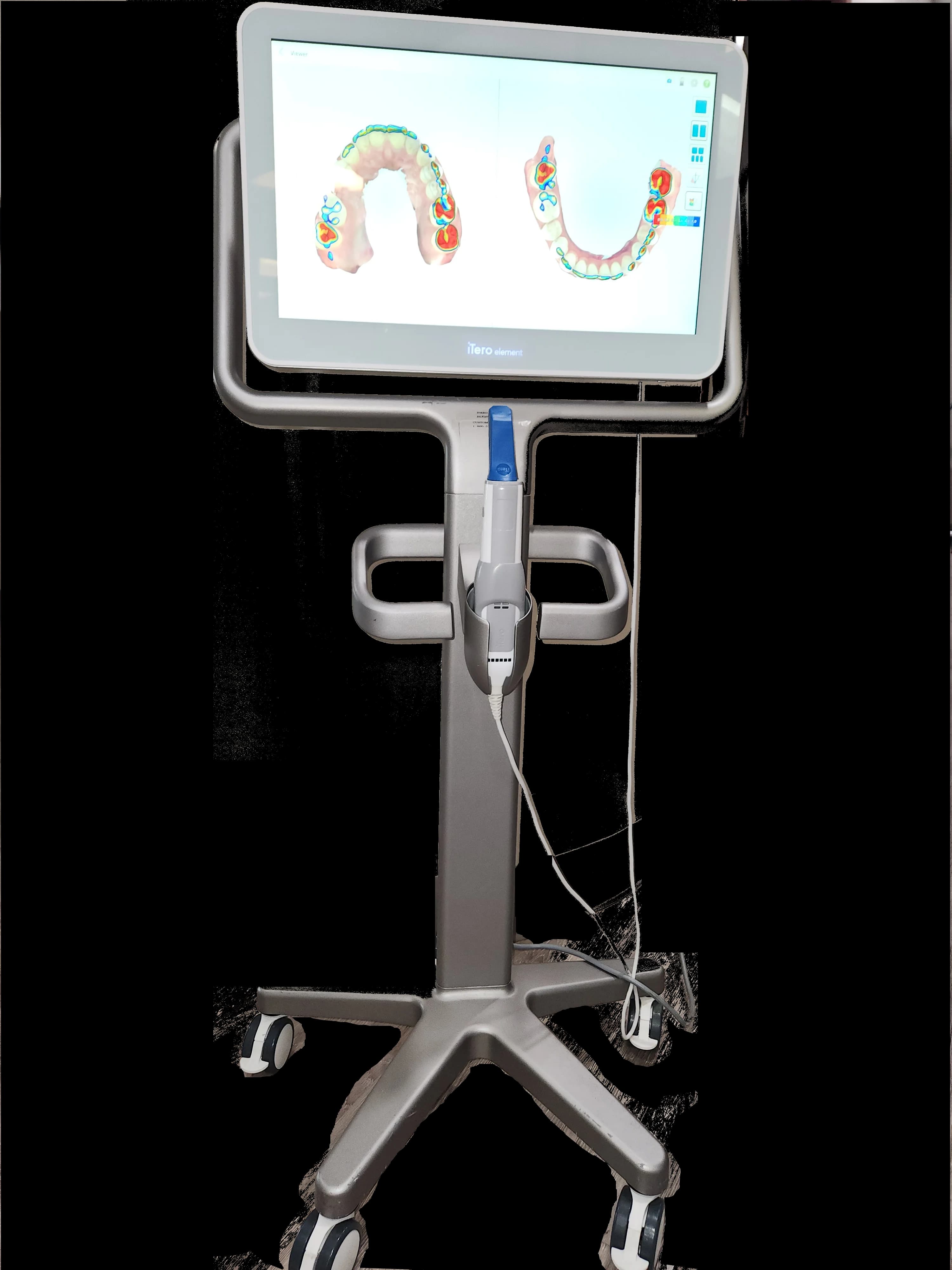
On-site digital imaging
High-resolution digital X-rays and photos let us pinpoint the source of pain quickly, with minimal exposure and immediate results.
Comfort-first numbing & techniques
Topical numbing, gentle injection techniques, and a calm environment make it easier to relax — even when you arrive in pain.
Same-day repairs when possible
In many cases we can repair broken teeth, replace lost fillings, or stabilise damaged areas in a single visit, buying you time to plan any additional treatment.
Cost & coverage
What this typically costs
These ranges reflect what we typically see with insurance. We'll confirm your exact cost before any treatment begins.
Emergency exam + x-ray
Includes Exam and Diagnosis.
$0 with insurance
Without insurance, an emergency exam and x-ray typically costs $0-$150
Often $0 with many PPO plansBaby Teeth Extractions
Custom, case-based pricing
Insurances typically cover 80% of this procedure
Root canal therapy (per tooth)
$900–$1,600 per tooth
Varies by tooth type and complexity. Often partially covered by insurance. Typical coverage is 50-80% up to the plan maximum.
We'll confirm your exact cost before any treatment begins.
CareCredit Financing
See financing optionsActual costs depend on treatment complexity and your specific insurance benefits. You'll receive a written estimate before we begin.
Cost, Coverage & Confidence
We know emergencies are rarely budgeted for. Before we proceed, we review expected fees, your insurance benefits when applicable, and any payment options that might help. When a temporary solution and a definitive fix are both possible, we'll explain the pros, cons, and costs of each so you can decide what works best right now — without surprises.
Questions we hear often