Wondering if Dental Implants is right for you?
Book NowWondering if Dental Implants is right for you?
Book NowSignature treatment
Dental Implants
A stable, long-term way to replace missing teeth with something that feels and functions very much like your own.
Quick facts at a glance
High Success Rate
Modern implants have a very strong track record in dentistry and are one of the most predictable long-term ways to replace a tooth.
Replaces the Full Tooth
Implants act like natural roots in the bone, supporting strong, secure replacement teeth — from a single crown to bridges or full-arch options.
Smile Stories
Reviews
Cost & coverage
What this typically costs
These ranges reflect what we typically see with insurance. We'll confirm your exact cost before any treatment begins.
Single implant + crown
$4,000–$5,000 per tooth
Includes implant, abutment and final crown. Insurance may contribute $0–$1,500 depending on your plan.
Implant-supported bridge
Used to replace several teeth at once with fewer implants.
$8,000–$15,000 per case
Policies covering implants have coverage for this procedure.
We'll confirm your exact cost before any treatment begins.
CareCredit Financing
See financing optionsActual costs depend on treatment complexity and your specific insurance benefits. You'll receive a written estimate before we begin.
When and Why You May Need a Dental Implant
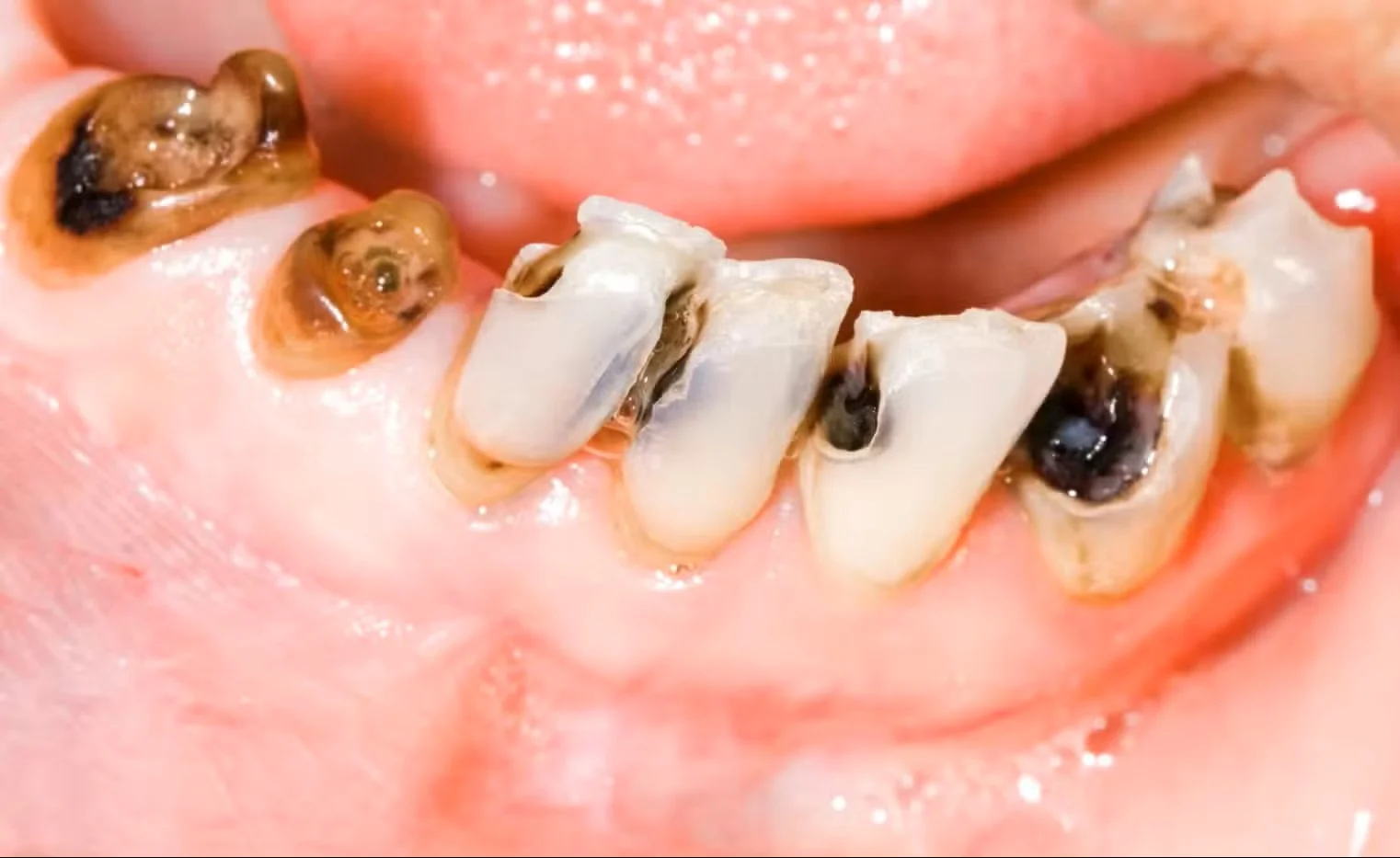
Extensive Decay
When a cavity has weakened most of the tooth structure, rebuilding it may no longer be predictable. If the remaining foundation cannot support a long-term restoration, replacing the tooth may be the healthier option.
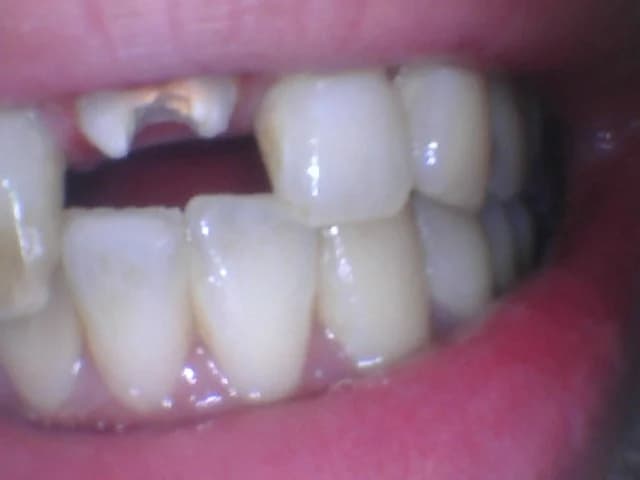
Tooth Fracture or Trauma
A deep crack from trauma or heavy biting can extend below the gumline and compromise the root. When the structural integrity of the tooth is lost, removal and replacement may provide greater long-term stability.
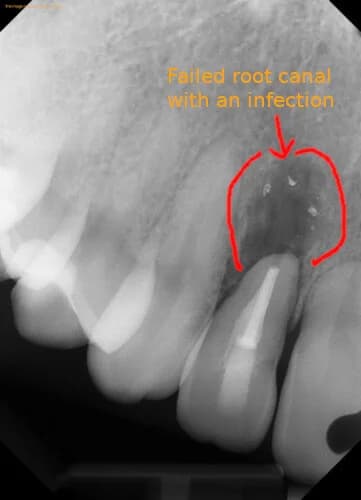
Recurrent Infection After Root Canal
In some cases, a root canal can fail and infection may return, especially if there is surrounding bone loss. When this happens repeatedly, replacing the tooth can help restore comfort and health.
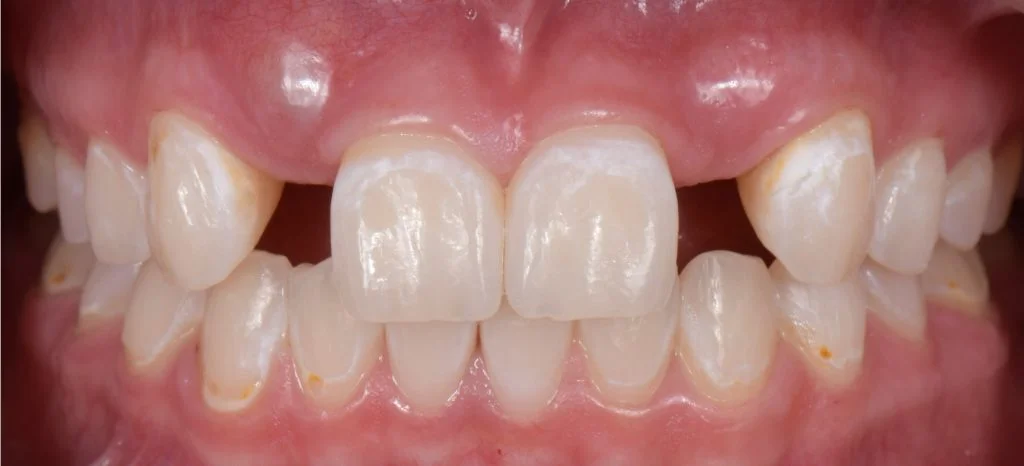
Congenitally Missing Tooth
Some patients are born without one or more adult teeth. Once jaw growth is complete, implants can offer a durable and natural-feeling replacement.
Not every compromised tooth requires an implant. A careful examination and 3D evaluation allow us to determine whether the tooth can be predictably saved — or whether replacement will provide a healthier and more stable long-term outcome.
Your Implant Journey
Prepare the Foundation
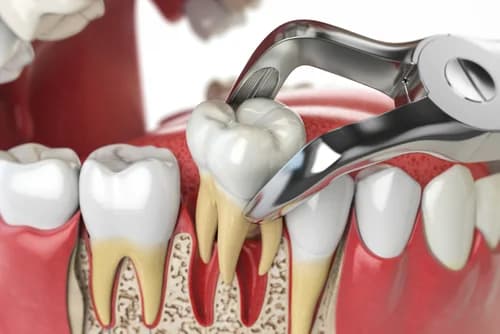
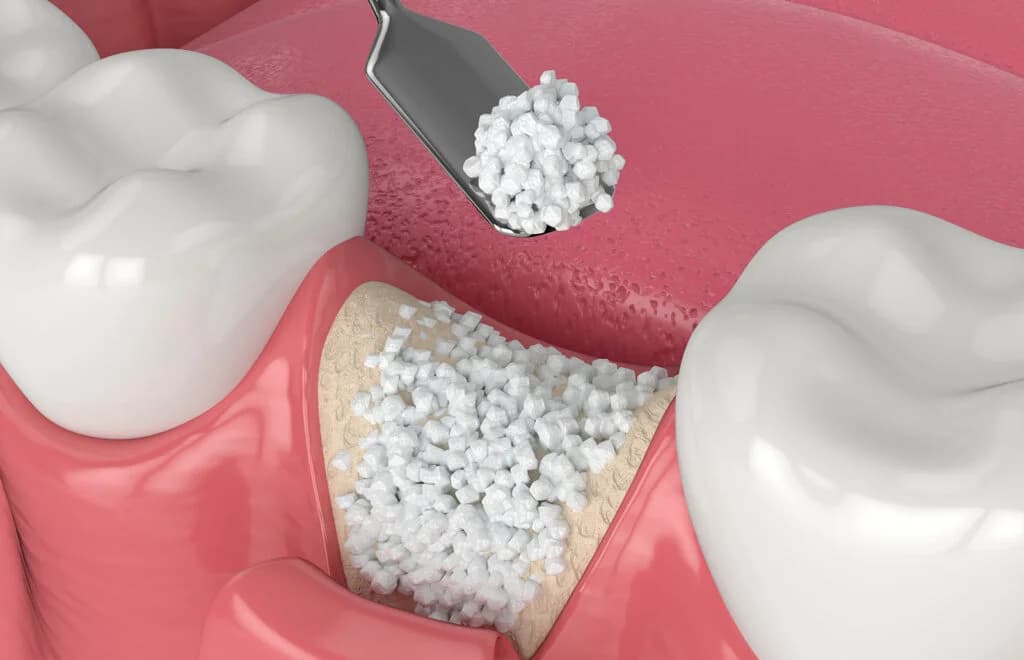
If the tooth is unhealthy and cannot be saved, we gently remove it. In many cases, we place bone grafting material at the same visit to help rebuild and support the area. This gives the future implant a stronger foundation.
Place the Implant
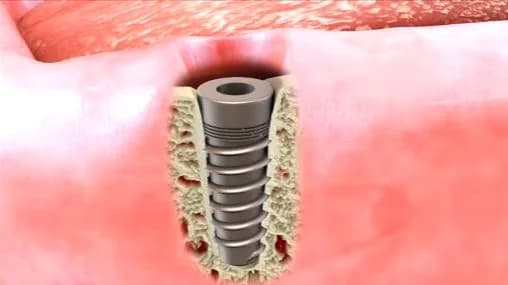
A dental implant is a small titanium screw that is placed into the jawbone. It acts like a new root for your future tooth. Sometimes this step can be done at the same visit as the removal. In other cases, we allow the area to heal first. It depends on the condition of the bone and the stability of the site.
Healing & Integration
This is the most important phase. Your body slowly grows bone around the implant in a natural process called integration. That bond is what makes the implant strong and stable — similar to a natural tooth root. We do not rush this step. Good healing leads to long-term success.
Custom Crown & Final Tooth
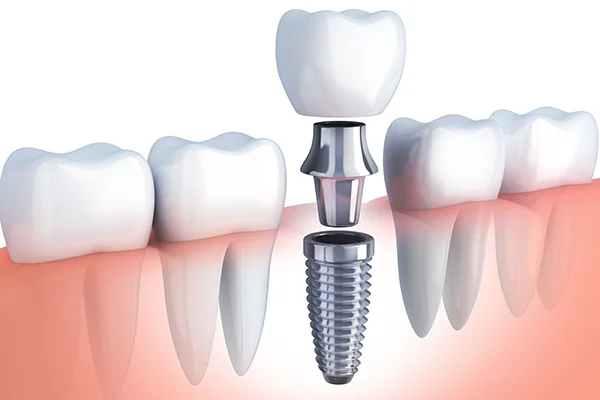
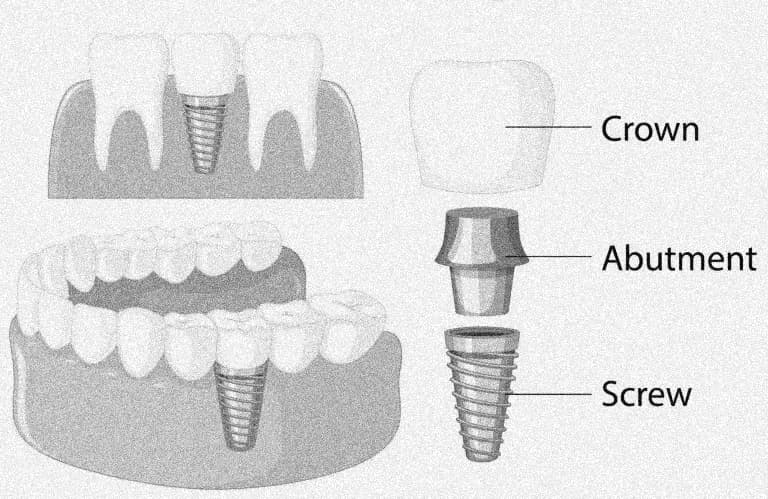
Once the implant is fully integrated, we take a digital scan and design a custom-milled abutment and crown. The final tooth is made to fit your bite and blend with your smile.
Maintain & Protect
With proper cleaning and regular visits, implants can last many years — often decades.
What Sets Us Apart in Implant Treatment
Implant treatment is not just about placing a screw in bone. It requires careful planning, precise positioning, and coordination between surgery and the final restoration. Here is how we approach it.
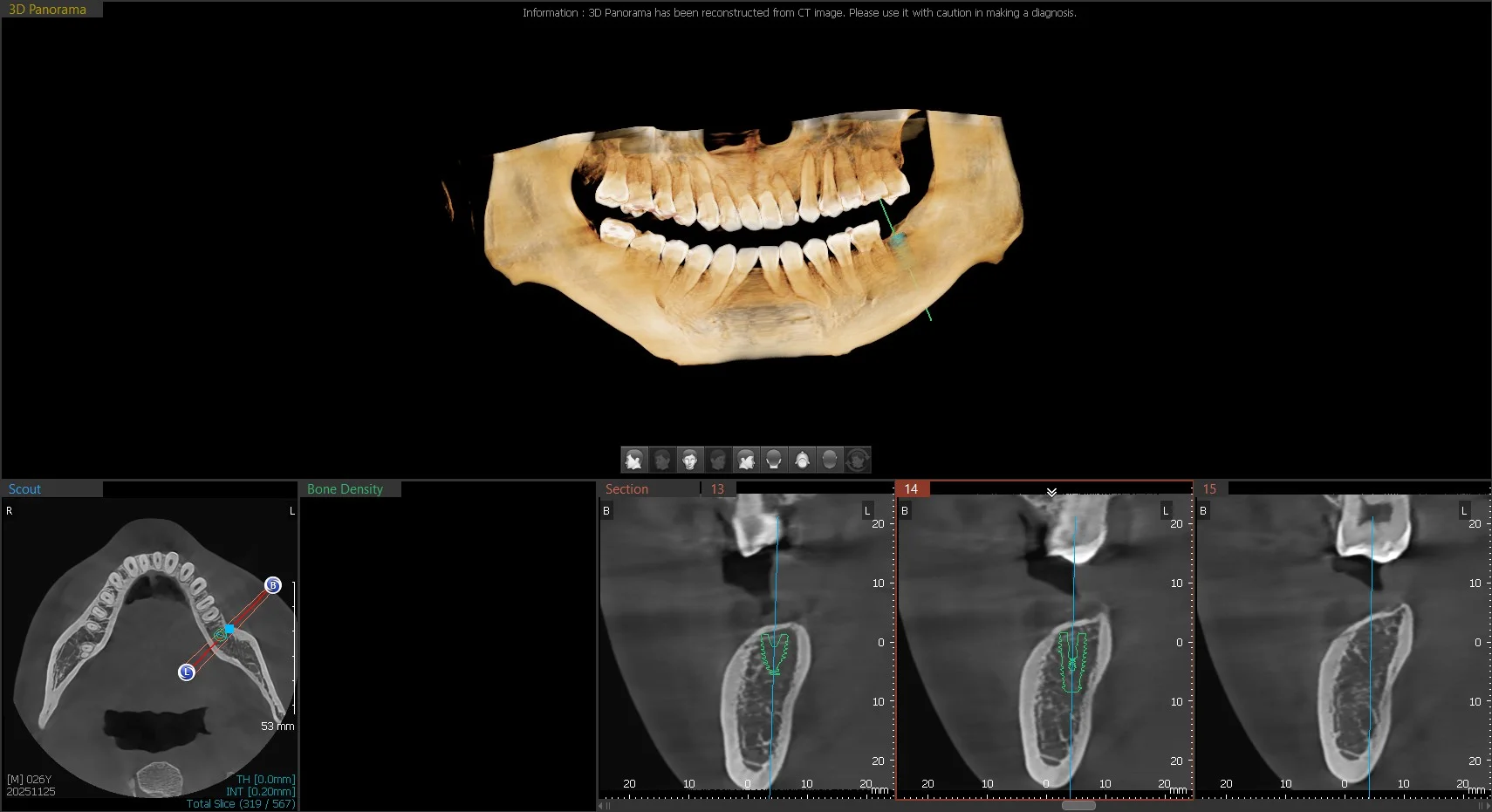
Thoughtful Surgical & Restorative Planning
Successful implants require more than placement. We plan the final tooth first — how it will look, how it will function, and how it will distribute bite forces — and then position the implant to support that outcome. Surgical precision and restorative design must work together.
3D Imaging Before We Begin
Every jaw is different. Nerves, sinus spaces, and bone thickness vary from patient to patient. We use CBCT 3D imaging to evaluate your anatomy in detail before placing an implant. This allows us to measure bone quality, identify important structures, and plan placement precisely. Digital scans help us simulate the final result before treatment even begins.
Respect for Healing & Long-Term Stability
Technology improves precision — but long-term success depends on biology. Implants succeed when they are placed carefully and allowed to integrate naturally with the bone. We focus on stability and predictability rather than speed.
Understanding the procedure, materials, and options
Learn More
Longevity & Maintenance
Outcome Durability (based on longevity + maintenance needs)
Long-Term & Highly Durable — Designed for maximum longevity with strong structural support. Ideal when you want stability for many years with routine maintenance.
Compared across similar treatment types.
How Long It Lasts
Implants can last decades — often 20+ years — when cared for well. The prosthetic tooth or bridge on top may eventually need refreshing or replacement over time, similar to crowns on natural teeth.
What Affects Longevity
Oral hygiene, bone stability, gum health, bite forces, material choice, and habits such as clenching or grinding all influence long-term success. Health conditions like uncontrolled diabetes or smoking can also affect healing and stability.
Routine Care
Brush and floss daily around the implant, use any speciality brushes we recommend, attend routine exams and cleanings, wear a night guard if you grind or clench, and follow any personalised maintenance advice after placement.
Single Tooth or Multiple Teeth?
Dental implants can replace one missing tooth or support several teeth at once. The right approach depends on how many teeth are missing and the condition of the surrounding bone.
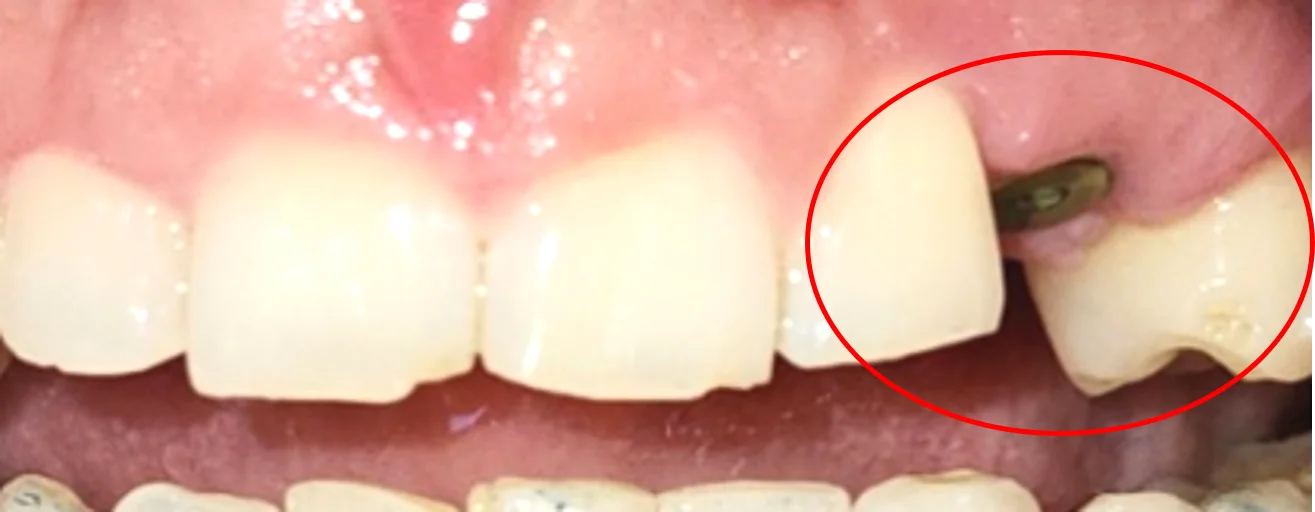
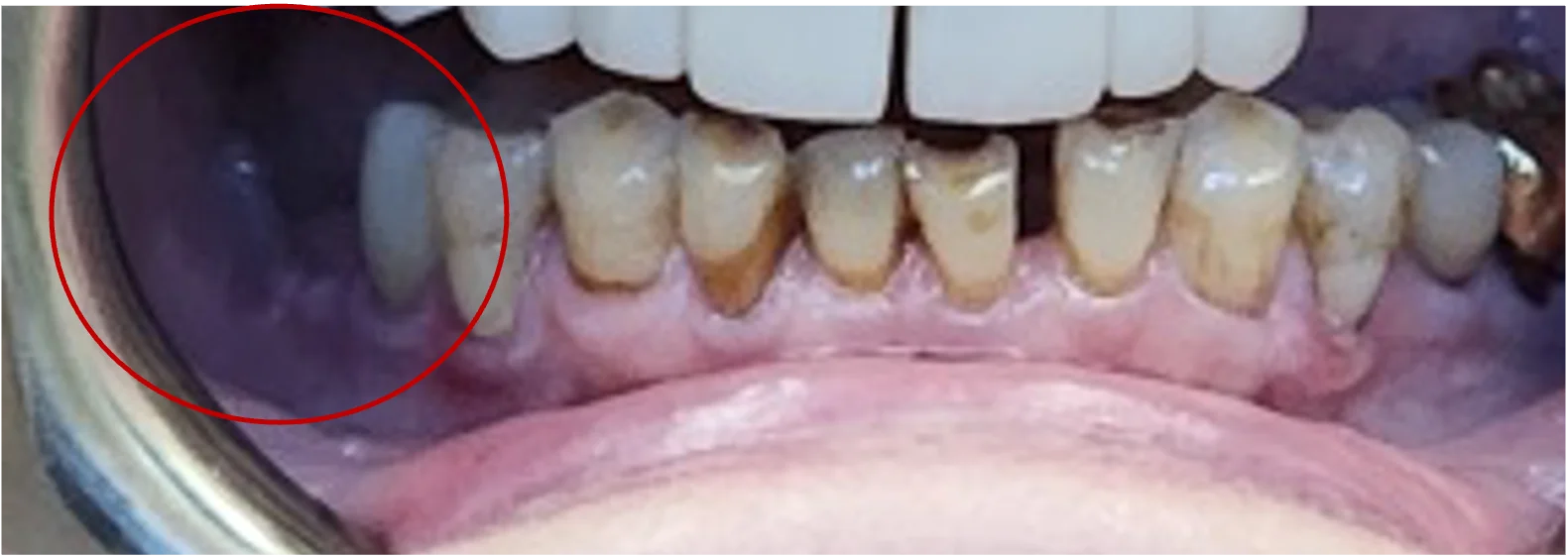
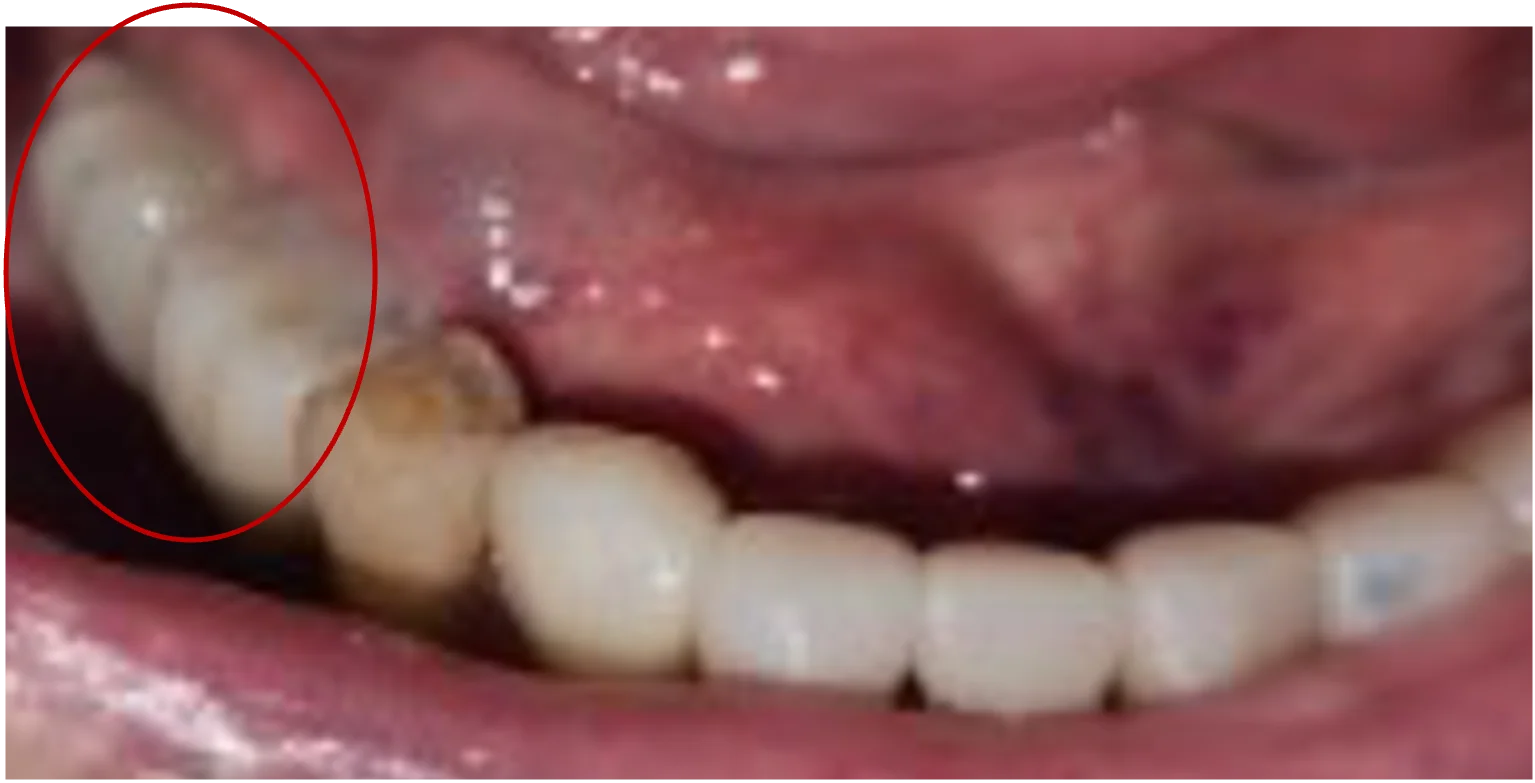
Single Tooth Replacement
When only one tooth is missing, a single implant can replace the root and support an individual crown. The neighboring teeth remain untouched, and the implant functions independently — similar to a natural tooth.
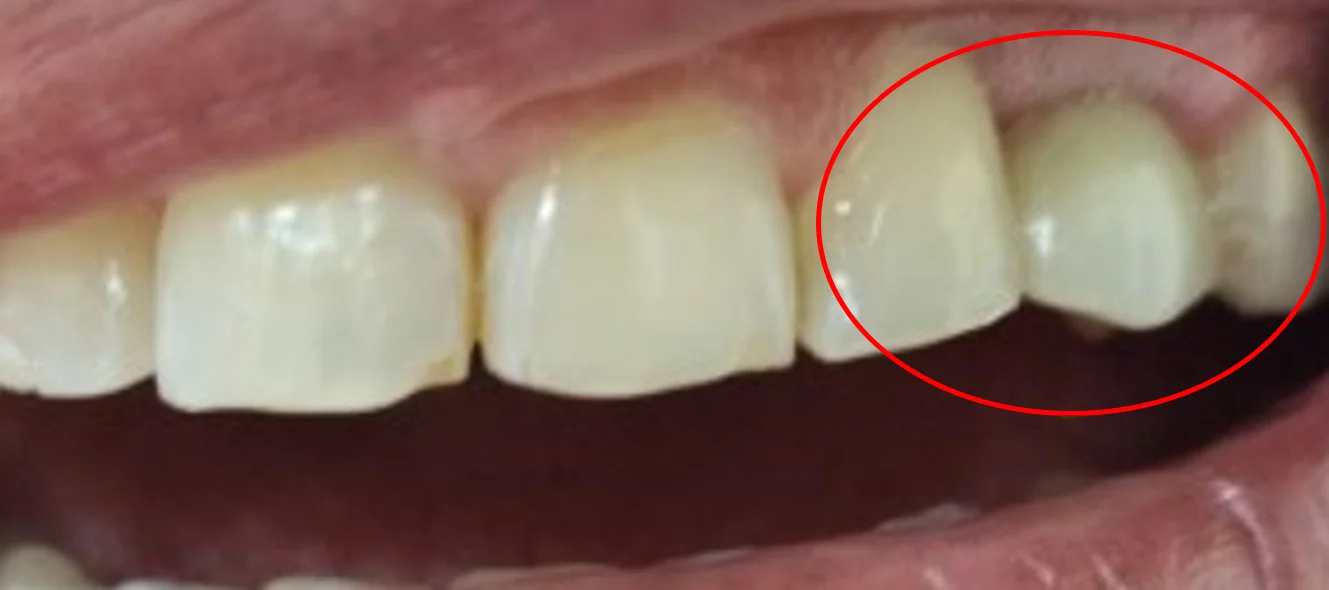
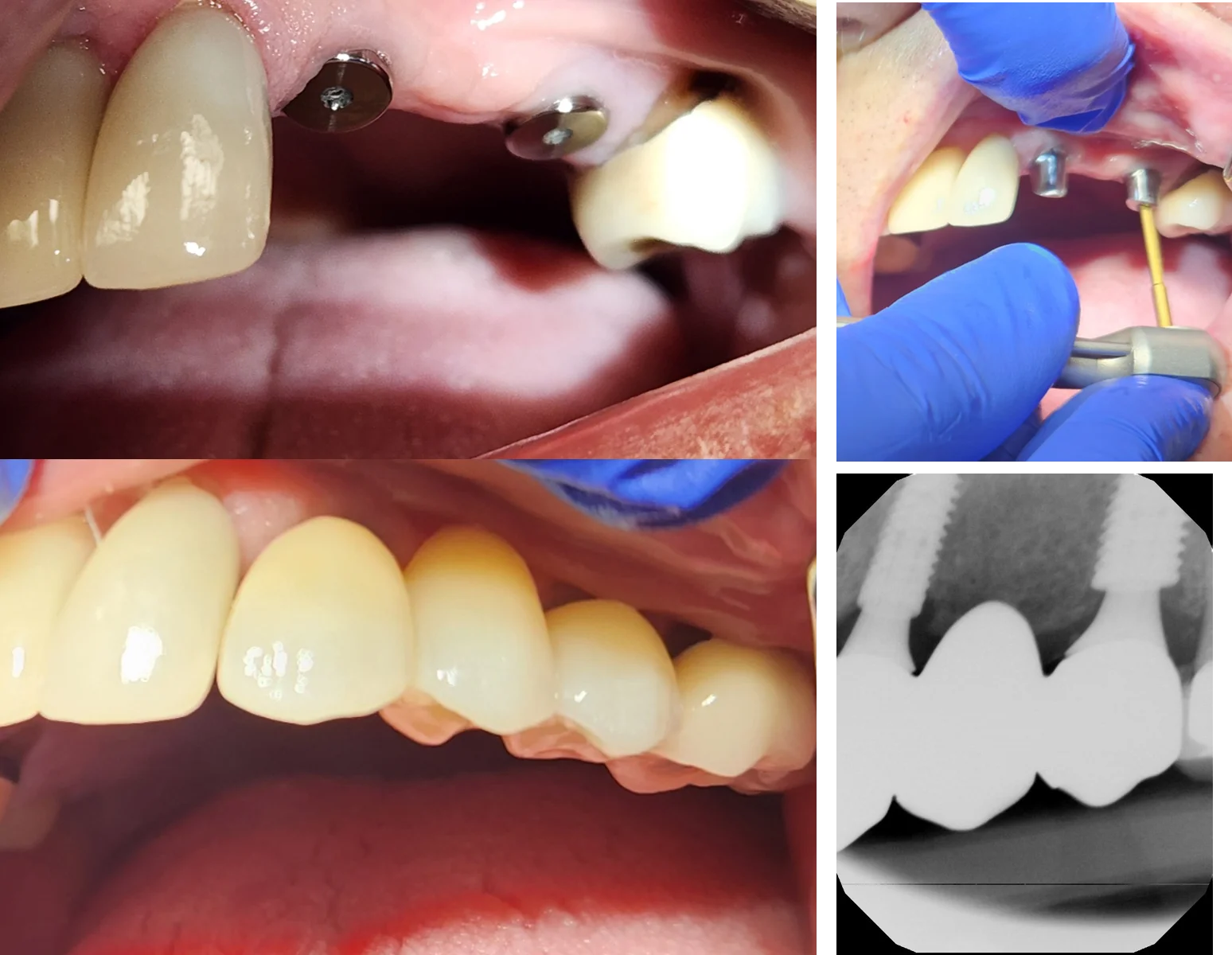
Multiple Teeth Replacement with an Implant Bridge
When two or more teeth are missing in a row, implants can support a custom bridge. Instead of placing an implant for every missing tooth, carefully positioned implants can anchor multiple connected teeth, restoring strength and function.
After Your Implant Visit
What recovery after implant surgery is really like
Most patients find that implant recovery is very manageable with the right preparation and guidance. Here is what we typically review before your surgery day.

Before your appointment
We check that your gums and remaining teeth are healthy and that your medical conditions, such as diabetes, are under good control. You will receive instructions about any medications, and we often recommend having soft ice packs ready at home. Planning a lighter schedule for the first couple of days helps you focus on rest and healing.
The first 24–72 hours
It is normal to have some swelling, mild oozing, and soreness. We provide gauze, comfort medication guidance, and sometimes a medicated rinse. Cool compresses and keeping your head slightly elevated can help. Most people are comfortable with over-the-counter pain relief unless their case is more involved.
What to eat and drink
Soft, nourishing foods make the first few days much easier. Options such as yogurt, smoothies, soft eggs, soups at a warm (not hot) temperature, and tender pasta are usually well tolerated. We ask you to avoid hard, sharp, or very chewy foods near the surgical site until we confirm healing is on track.
Keeping the area clean
You will receive instructions on how to keep the area clean without disturbing the healing site. This may include gentle rinsing with a saltwater solution or a prescribed mouthwash. You should continue brushing and cleaning your other teeth as usual while being careful around the implant area.
What If I Don't Have Enough Bone?
When teeth have been missing for a long time, the jawbone can gradually shrink and, in the upper jaw, the sinus can expand into spaces where teeth used to be. If scans show reduced bone in key areas, we may recommend bone grafting or a sinus lift to rebuild support for implants. Modern techniques make these procedures predictable and comfortable, and they allow many patients — even those previously told they were not candidates — to receive implants successfully.
Nervous about implants?
Comfort and anxiety support during implant treatment
Many people considering implants are worried less about the result and more about the experience. We plan your visits to be as calm and predictable as possible.
Managing dental anxiety
If you feel nervous about dental treatment, let us know early. Simply taking time to walk through the sequence of visits, see the technology we use, and understand what you will feel at each step often reduces anxiety significantly.
Sedation options
For suitable patients and procedures, we can use medication to help you feel deeply relaxed during treatment. With most forms of dental sedation you remain responsive and able to answer questions, but the experience feels shorter and easier. We will review your health history and discuss what is appropriate for you.
Gentle, modern techniques
We use up-to-date instruments and, where helpful, minimally invasive techniques planned from 3D scans. This allows us to work precisely and typically reduces the amount of tissue trauma, swelling, and discomfort compared with older approaches.
Looking for a Full-Arch Option?
When All-on-X might make more sense
If you are missing many teeth or struggling with loose dentures, All-on-X full-arch implants may be a better long-term solution than rebuilding one tooth at a time.
Explore All-on-XCare this helps with
Conditions and symptoms this procedure addresses
Missing or Loose Tooth
A single gap or several missing teeth can affect chewing, alignment, and confidence.
Broken or Damaged Dentures
Cracked, loose, or broken dentures—and what to do next so you can get back to eating and smiling comfortably.
Options for Replacing Missing Teeth
Explore your options to replace one or several missing teeth, including implants, bridges and modern dentures.
Explore more like this
Related procedures you may find helpful
Learn & discover
More stories and advice from our doctors
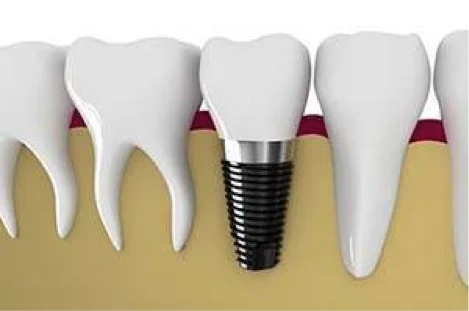
How Dental Implants are Placed in the Jawbone
Most people know dental implants are tiny prosthetics that are used to create a new fake tooth.
Read article
We Are the Best Dentist in Fremont For Replacing Missing Teeth
We are the best dentist in Fremont for replacing missing teeth using dentures, implants or dental bridges.
Read article
3 Reasons to Have Dental Surgery to Replace Missing Teeth
Our Fremont dental office can perform dental surgery to give you back the full functionality and appearance of your smile after tooth loss.
Read articleCommon Questions
Answers to frequently asked questions
Ready to Learn More About Dental Implants?
Professional implants & oral surgery services
Same-day consultations available.
Book Your Consultation